

Books
JavaScript in 20 Minutes: (Coffee Break Series)
JavaScript in 20 Minutes (Coffee Break Series) provides a fresh and engaging entry point into one of the most dynamic areas of modern tech.
Master practical coding skills.
AN INDEPENDENT READING ROOM
A place for the next chapter, the unexpected recommendation, and the book you come back to. Take your time. There is more to discover.
Book information. Reader perspectives. Direct retailer links.
A GOOD NEXT STEP
Start with something you want to understand.
02 / COMPAREChoose with confidence.Use the synopsis, book facts, and your own question.
03 / READMake room on the shelf.Find a title and follow its retailer link.
THE BOOKS
JavaScript in 20 Minutes (Coffee Break Series) provides a fresh and engaging entry point into one of the most dynamic areas of modern tech.
Master practical coding skills.
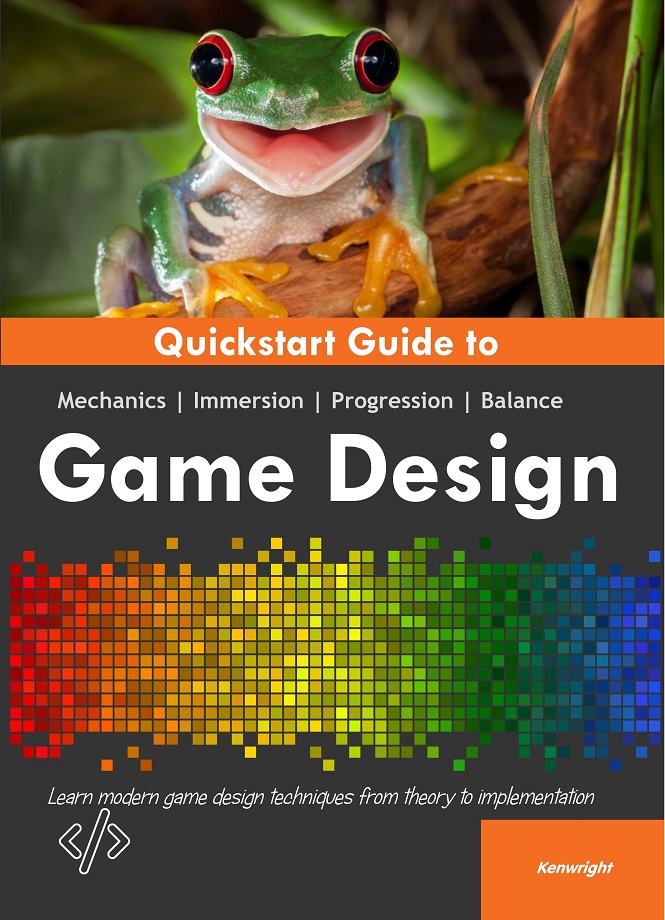
A practical beginner’s guide to game design, focusing on small projects and core principles.
Understand the core principles of game design.
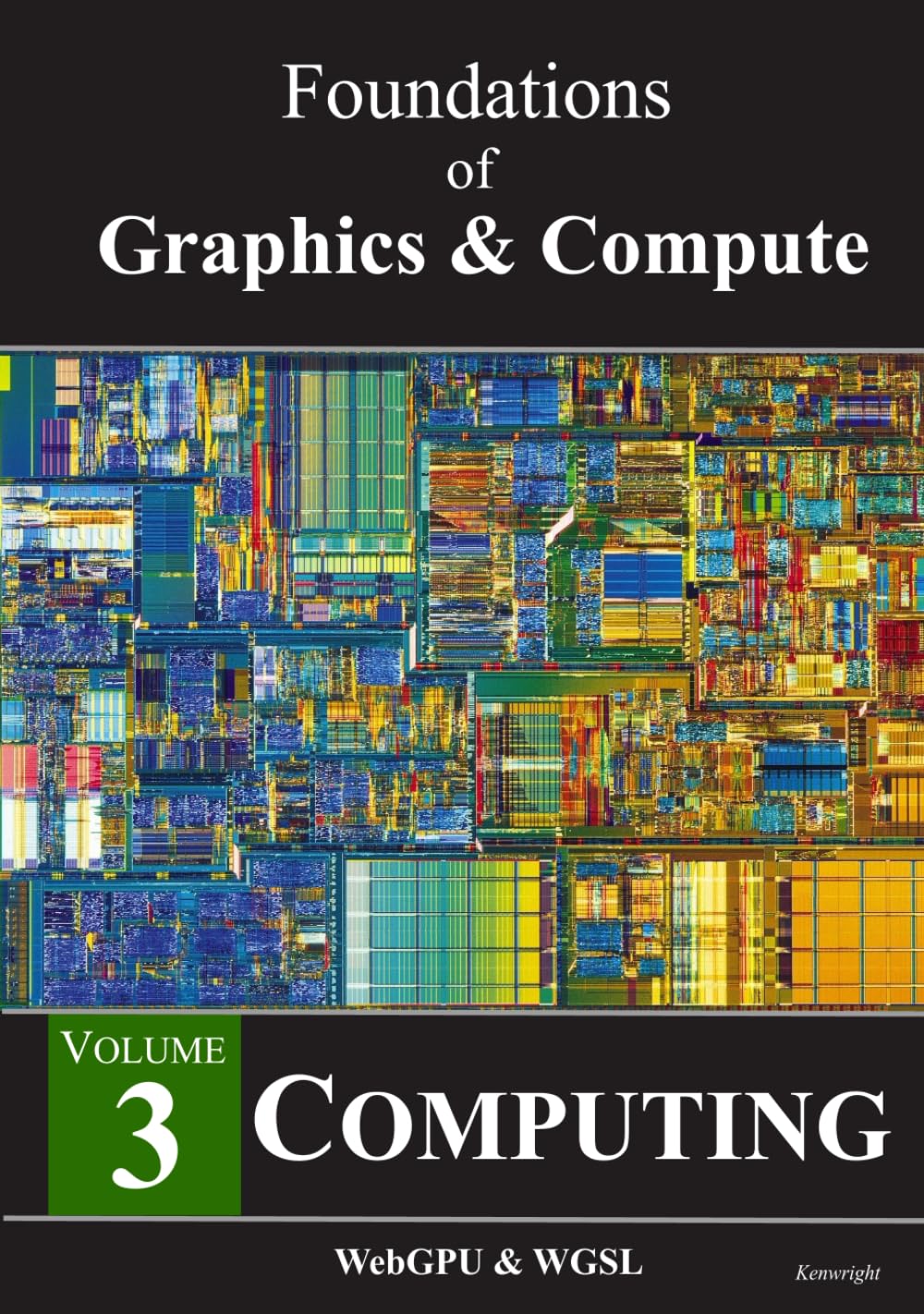
Foundations of Graphics & Compute - Volume 3: Computing (Hardback) provides a fresh and engaging entry point into one of the most dynamic areas…
Master practical coding skills.
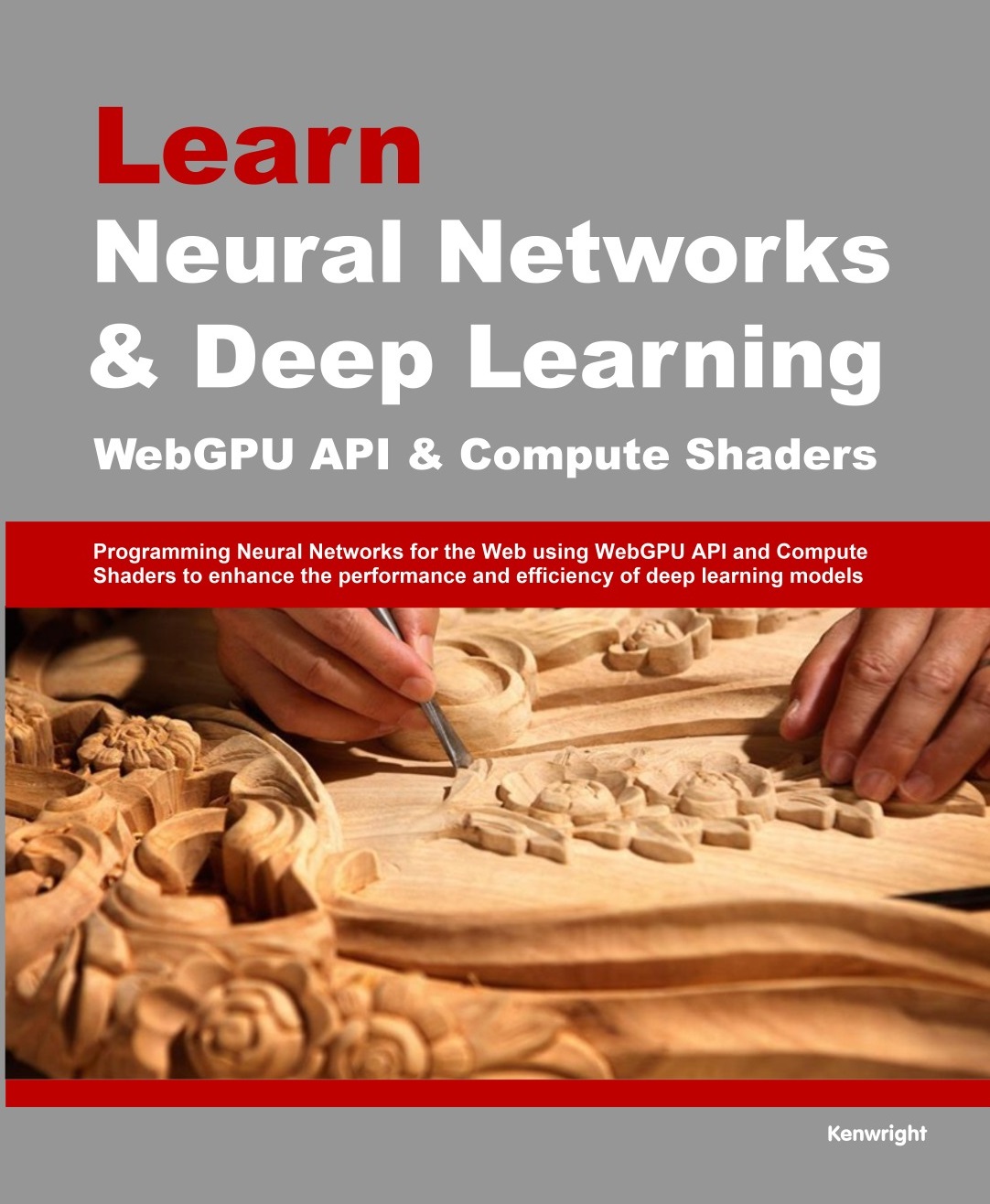
Learn Neural Networks and Deep Learning with WebGPU and Compute Shaders provides a fresh and engaging entry point into one of the most dynamic a…
Master practical coding skills.
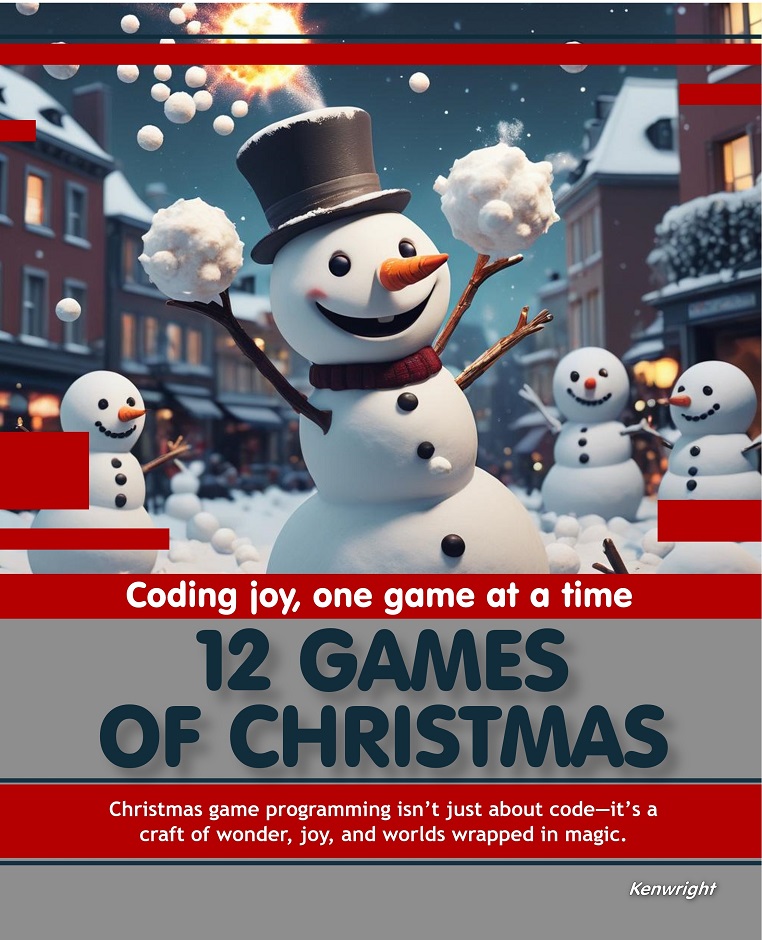
Learn to code by creating 12 fun Christmas-themed games, perfect for beginners and festive learning.
Gain hands-on coding experience through themed projects.
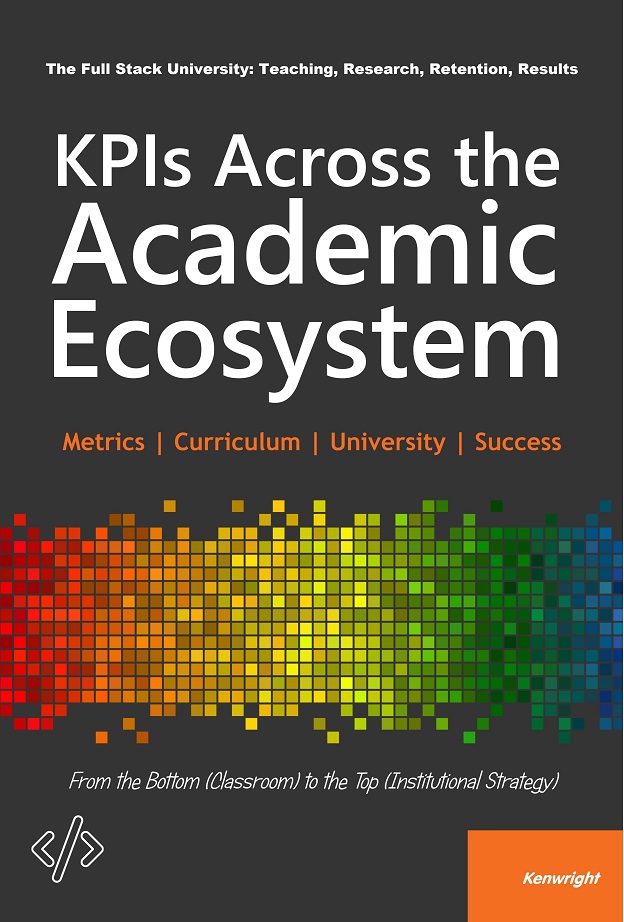
Don't buy this book if you love pointless committee meetings and fuzzy mission statements. Buy it if you're tired of being evaluated by people w…
Stop wasting time on KPIs that don't matter for promotion or funding.
ANOTHER PERSPECTIVE
Better than I expected. Rare to find a technical book this well judged.
I read this over a couple of weekends alongside a small side project, which turned out to be the ideal way to approach it. The author is unusually honest about where the simplifications break down, which I appreciated. Some terminology is introduced without much ceremony; I had to look a few things up along the way. An easy five stars from me. I look forward to whatever the author writes next.
Very good, with a few caveats. The core material is strong.
I was looking for something that would bridge the gap between tutorials and proper reference material, and this does that well. The author avoids over-explaining, which keeps the pace up but means you need to pay attention. A few of the examples could be more realistic, but the underlying points come across clearly. I particularly liked the way the author builds up from simple cases before introducing the harder material. Four stars, and I suspect a second edition could easily push it to five.
Recommended, with the caveat that it is not a gentle introduction.
I had been on the fence about this one for a while, and I should have bought it sooner. There is a section near the end that ties several earlier ideas together in a way I had not seen before. The chapters on databases & big data are the strongest — the examples are stripped down but complete, and I could follow along without constant guessing. Recommended, with the caveat that it is not a gentle introduction.
A NOTE FOR YOUR NEXT CHAPTER
When a book introduces a question you want to explore, keep that question beside your reading list. Let it guide your next choice. Connections between books can be more memorable than the number you finish.
Explore this reading approachBEYOND THE BOOKSHELF
submitted by /u/simonesilvestri23 [link] [comments]
Read at www.reddit.comA closer look at why users don’t need more tools in their daily lives. What they need are seamless integrations of useful features to match already existing, established mental models. Brought to you by Design Patterns For AI Int…
Read at www.smashingmagazine.comResearchers have detected signals from the smallest distances ever probed.
Read at feeds.bbci.co.ukChoose the question you would like your next book to help you explore.